
There’s something timeless about an Old Fashioned. It’s not just a drink; it’s a ritual. The clink of ice in a heavy-bottomed glass, the subtle perfume of citrus oil, the earthy sweetness of sugar and bitters, and that slow, contemplative swirl of amber whiskey; all of it speaks to a simpler, more deliberate era. The Old Fashioned is the grandfather of American cocktails, the one that has survived every trend, every “new thing,” and still stands tall as the benchmark of what a proper cocktail should be.
A Drink Older Than the Name
The origins of the Old Fashioned stretch back to the early 19th century, before bartending was even considered an art form. In the early 1800s, the word “cocktail” referred to a simple combination of spirits, sugar, water, and bitters. That was it. No syrups, no garnishes, no elaborate shaking or stirring rituals, just those four ingredients, stirred together to create balance and depth.
As bartending evolved through the mid-1800s, drink makers began experimenting with new liqueurs, juices, and modifiers. Patrons who preferred the “old-fashioned” way began asking for their drinks without all the fancy additions: “Give me a whiskey cocktail, you know, the old fashioned way.” And just like that, the name stuck.
By the late 1800s, the Old Fashioned had become an institution. It was first formally mentioned in print in the 1880s, most notably in The Chicago Daily Tribune (1880) and later in The Pendennis Club of Louisville, Kentucky, a gentleman’s club that claimed to have invented the drink as we now know it. Louisville still proudly calls itself the birthplace of the Old Fashioned, even declaring it the city’s official cocktail.
The Essential Formula
At its heart, an Old Fashioned is a study in balance and restraint. The base spirit, traditionally bourbon or rye, is the star. A touch of sugar softens the edges, while aromatic bitters add complexity and depth. A citrus peel, usually orange, brightens the drink with its fragrant oils.
The original preparation was straightforward: a sugar cube in the bottom of a glass, saturated with bitters, muddled with a splash of water, then filled with whiskey and ice. Stir until chilled, garnish with citrus peel. Simple, elegant, and endlessly satisfying.
Of course, like any enduring classic, the Old Fashioned evolved over time, sometimes gracefully, sometimes not.
The Fruit Salad Era
By the 1950s and 1960s, bartenders began to overcomplicate the Old Fashioned. Cherries, oranges, even pineapple wedges found their way into the glass, muddled beyond recognition. Soda water was added to “lengthen” the drink, making it fizzy and sweet, a far cry from the minimalist glory of the original.
To purists, this was heresy. But to many drinkers of that era, it was the taste of home and hospitality, the Old Fashioned became less of a barroom ritual and more of a living-room mainstay, mixed in mid-century kitchens across America.
The Revival
The modern craft cocktail movement of the early 2000s rescued the Old Fashioned from sugary ruin. Bartenders rediscovered the value of simplicity and authenticity, returning to high-quality ingredients and proper technique. Today’s Old Fashioned is as close to its 19th-century roots as it’s been in a hundred years.
Most modern recipes call for:
- 2 ounces of good bourbon or rye whiskey
- 1 sugar cube (or ¼ oz of simple syrup)
- 2–3 dashes of Angostura bitters
- A large ice cube
- An expressed orange peel
That’s it. No muddled fruit, no soda, no distractions, just the pure expression of whiskey, bitters, and citrus.
Variations Worth Knowing
One of the beauties of the Old Fashioned is how adaptable it is. The formula remains constant, but the spirit can change, creating endless variations that suit every mood or season.
Rum Old Fashioned: Replace whiskey with aged rum for a tropical warmth and a smoother sweetness. A dash of orange bitters complements the molasses notes beautifully.
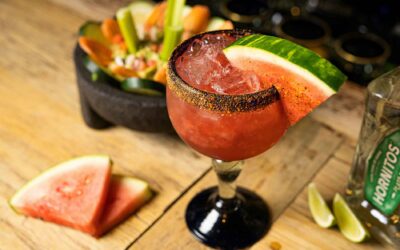
Tequila or Mezcal Old Fashioned: Swap in tequila or mezcal for a smoky, earthy variation. Agave syrup works as a perfect sweetener here.
Brandy Old Fashioned: The state of Wisconsin made this version famous, using brandy instead of whiskey, often garnished with muddled cherries and orange. It’s sweeter and fruitier, a cultural classic in its own right.
Smoked Old Fashioned: A newer twist, often served in whiskey lounges and cigar bars. The glass or ice is smoked using oak, cherrywood, or maple, infusing the drink with an aromatic campfire character that pairs exceptionally well with a rich cigar.
Maple Old Fashioned: Substitute the sugar with pure maple syrup for a seasonal touch, perfect for autumn sipping.
The Perfect Companion to a Cigar
Few drinks pair with a fine cigar quite like an Old Fashioned. The caramel, vanilla, and oak notes of bourbon complement the earthy, leathery tones of a medium-bodied cigar, while the bitters and citrus lift the palate between draws. Whether you’re enjoying a Connecticut-shade mild smoke or a bold Nicaraguan, the Old Fashioned enhances the ritual rather than overpowering it.
For cigar aficionados, the drink’s simplicity is its genius, it doesn’t compete with the cigar, it harmonizes. A well-made Old Fashioned invites you to slow down, to taste deliberately, and to reflect, much like the cigar experience itself.
A Toast to Tradition
The Old Fashioned has endured for over two centuries because it represents something rare: permanence. In a world of fleeting trends and novelty for novelty’s sake, the Old Fashioned remains a reminder that quality, patience, and balance never go out of style.
So this weekend, as you settle into your favorite chair, cigar in hand, raise a glass to the cocktail that started it all, the Old Fashioned. It’s not just a drink; it’s a testament to the enduring art of taking things slow.
Suggested Pairing:
- Spirit: Woodford Reserve Kentucky Straight Bourbon
- Cigar: Arturo Fuente Hemingway Signature
- Occasion: A quiet Friday evening when the week’s noise fades into amber calm.



0 Comments